Future of Food Innovation Day 2026 Speaker Bios
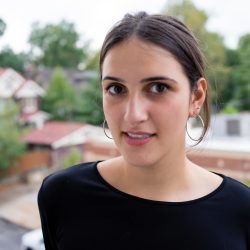
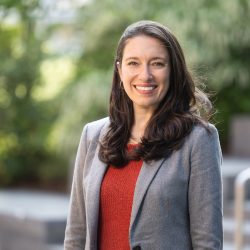 Lauren Abda
Lauren Abda is the Founder and CEO of Branchfood, a launchpad for food innovation and one of the largest communities of food innovators in the world. She is also a Co-founder of Branch Venture Group, one of the first angel investment networks focused exclusively on funding agri-foodtech startups in the US. Lauren is a Council Member at Tufts University Food and Nutrition Innovation Institute, she is on the Board of Directors for the Institute for Food Technologists (IFT), and she has served as a mentor and judge for leading startup programs including the Rabobank-MIT Food & Agribusiness Innovation Prize and MassChallenge. Prior to her entrepreneurial endeavors, Lauren consulted for agri-foodtech businesses in Boston and San Francisco, worked as an analyst for Salt Venture Partners, a corporate venture capital firm within the Harvard Common Press, and wrote reports on international food safety development initiatives on behalf of the Agriculture and Commodities division at the World Trade Organization in Geneva, Switzerland. She has a Master of Science degree in Food Policy and Applied Nutrition from the Tufts Friedman School of Nutrition Science and Policy and a Bachelor of Science degree in Nutrition and Food Science from the University of Vermont.
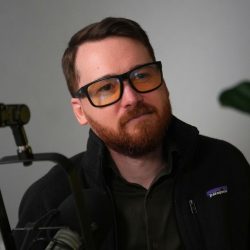
Jon Bateman
Jon Bateman co-leads the technology program at the Carnegie Endowment for International Peace—overseeing a team of experts who study and shape global policy on AI, the information environment, cybersecurity, and biotech. He also hosts Carnegie’s flagship podcast The World Unpacked and teaches at Georgetown University’s School of Foreign Service.
Bateman is the author of U.S.-China Technological Decoupling—with a foreword by former Google CEO Eric Schmidt, who called it “a major achievement” that “will remain a touchstone for years to come”—and Countering Disinformation Effectively (with Dean Jackson).
Previously, Bateman served as a speechwriter and advisor to Chairman of the Joint Chiefs of Staff General Joseph Dunford; a director for cyber strategy in the Office of the Secretary of Defense; and a senior intelligence analyst at the Defense Intelligence Agency.
Bateman’s work has been published by or covered in The Wall Street Journal, The Economist, Politico, MSNBC, Harvard Business Review, and Foreign Policy. He is a graduate of Harvard Law School and Johns Hopkins University.
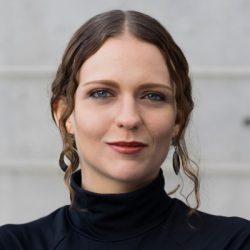
Lauren Blake
Lauren Blake is a post-doctoral researcher at Tufts University, where she works on creating sustainable biomaterials that can replace materials such as traditional elastics in clothing or specialized material coatings. She earned her PhD in Molecular Biophysics from the Johns Hopkins School of Medicine in 2023. Lauren is also the co-founder of Good Fibes, a startup developing bio-based elastomers for textiles and other industries. The team recently completed a Department of Energy Phase I SBIR and is now working toward a Phase II to continue optimizing their technology. Her background bridges both food and materials innovation enabled by cellular agriculture—at Johns Hopkins she co-founded a Alt Protein Project chapter, and she has taught courses on future food manufacturing and sustainable materials. Across her work, Lauren focuses on building practical, biology-based solutions using renewable, biodegradable raw material inputs that move us toward a greener environment.
 Dan Blaustein-Rejto
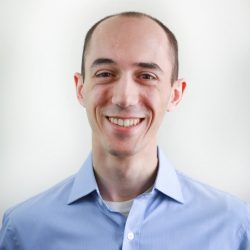
Dan Blaustein-Rejto is Director of Food & Agriculture at the Breakthrough Institute, where he leads research and policy analysis on agricultural innovation and sustainability. His work focuses on how evidence-based policy can accelerate technologies that reduce agriculture’s environmental footprint while supporting productivity, resilience, and economic opportunity. He has led cross-sector initiatives assessing decarbonization pathways in U.S. beef, identifying federal policy gaps for alternative proteins, and advocating for reforms to biofuel policies. Dan’s writing has appeared in Foreign Policy, MIT Technology Review, and Scientific American, among other outlets. His research and commentary have been featured in The Washington Post, Fox News, and other national media. He holds a Master of Public Policy from the University of California, Berkeley, and a Bachelor’s degree from Brown University. He lives in Portland, Oregon.

Jan Dutkiewicz
Jan Dutkiewicz is an assistant professor at the Pratt Institute. He is a contributing writer at Vox and a contributing editor at The New Republic. Feed the People!, his book about how to build a more sustainable and just food system, is coming out in February with Basic Books.
Aryé Elfenbein
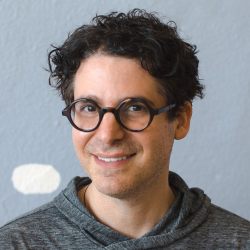
Aryé Elfenbein co-founded Wildtype, a company creating a clean, accessible seafood future with cellular agriculture technologies. After regulatory clearance in the US, Wildtype became the first company in the world to commercialize cultivated seafood.
Aryé earned his MD and PhD at Dartmouth and Kyoto University; he completed clinical training in Internal Medicine and Cardiology at Yale and UCSF. A classically-trained cardiologist and musician, Aryé continues to nocturnally practice in the ICU and piano room.
Lily Fitzgerald
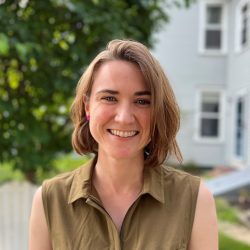
Lily Fitzgerald is the Director, Center for Advanced Manufacturing (CAM) at the state economic development agency Massachusetts Technology Collaborative (MassTech). As the Director of CAM, Lily oversees a team of seven and manages the division’s work to support manufacturing in the state of Massachusetts with initiatives, grant making, and ecosystem development. Prior to taking on the Director role, Lily served as the Senior Manager, Advanced Technology Programs, managing the Massachusetts Manufacturing Innovation Initiative (M2I2). Prior to joining MassTech, Lily spent seven years at Ginkgo Bioworks, where she worked as an engineer in Ginkgo’s laboratories and founded the Public Policy team, advocating for policies that grow the bioeconomy and innovation ecosystem. She has an M.S. in Technology Policy from MIT and a B.S. in Environmental Science from UMass Amherst.
 Bruce Friedrich
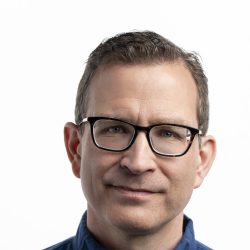
Bruce Friedrich is founder & president of the Good Food Institute, a global network of nonprofit science-focused think tanks, with operations in India, Israel, Brazil, APAC, Europe, and the United States. Charity evaluator Giving Green finds that GFI is one of the top five non-profits for climate change mitigation – a status GFI has retained for the past four years.
Publishers Weekly included Bruce’s forthcoming book Meat (on sale Feb. 3) on its list of the 10 best new releases in science for Spring 2026, writing: “”This packed account makes food science feel like an urgent and essential undertaking.”
The book has also earned endorsements from Harvard Medical School genetics professor George Church (“an engaging treatise on using science to make meat far more efficiently… includes fascinating observations in every chapter”); The Ministry for the Future author Kim Stanley Robinson (“The topic is crucial, and Friedrich’s presentation is clear, persuasive, and entertaining”); Nobel laureate in economics Michael Kremer (Meat “contributes to an important and timely global conversation”); and more.
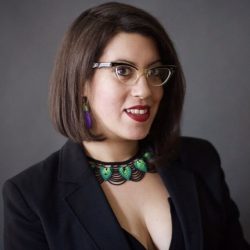
Suzi Gerber
Suzannah (“Suzi”) Gerber, PhD is a senior research scientist, renowned chef, and food-tech leader serving as Executive Director of the Association for Meat, Poultry & Seafood Innovation (AMPS), the non-profit trade association that is the unified voice of the North American cell-cultivated meat, poultry, seafood and broader emerging food industry. She also holds research appointments at Dartmouth’s Geisel School of Medicine, George Mason University’s College of Public Health, and the Tufts University Center for Cellular Agriculture (TUCCA).
Suzi’s work focuses on protein diversification, novel food development, and clinical nutrition behavior, with a particular emphasis on how consumers understand, accept, adopt and are impacted by alternative protein foods and meat reducing dietary patterns. Her research integrates food, nutrition, and behavioral science with sensory and real-world tasting experiences to examine how people engage new foods—and how policy, product design, and communication can accelerate diet diversification. Before her academic and policy roles, she spent more than a decade as a plant-based product developer, chef, and food industry executive, helping major brands and foodservice operators expand alternative protein offerings. A Modern Agriculture Foundation 2025 Leading Women in Food Tech awardee, Suzi has been featured in The New York Times, Wired, TODAY, The Wall Street Journal, Bon Appétit, CNN, ABC, NBC, FOX, KTLA, Shape, Men’s Fitness, and more. She is also the author of the critically acclaimed cookbook Plant-Based Gourmet (Apollo, 2020).
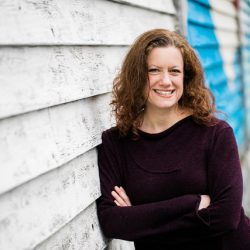
Cynthia Graber
Cynthia Graber is co-host/co-founder of the internationally popular and acclaimed podcast Gastropod, about the science and history of food. She’s also an award-winning print reporter and radio producer whose work has been featured in magazines and radio shows including Wired, Fast Company, the New Yorker, Studio 360, The World, and many others. She launched Gastropod with Nicola Twilley in 2014; the show covers everything from calories to CRISPR and pawpaws to pudding. They’re regularly featured in “best of” lists and critic’s picks, as well as recognized with awards. The Los Angeles Review of Books called Gastropod “one of the most intelligent food podcasts around,” and WNYC compared the show to “a great cocktail—substantial, nuanced, and not over too fast.” Cynthia spent 2012-2013 as a Knight Science Journalism Fellow at MIT and is an instructor in the MIT Graduate Program in Science Writing, and in 2024 she was a Fulbright Visiting Scholar at Javeriana University in Bogotá, Colombia.
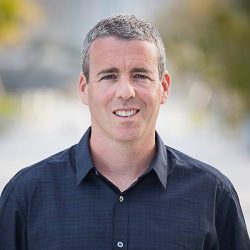
Michael Grunwald
Michael Grunwald is an award-winning journalist and best-selling author who has written about U.S. public policy and politics for three decades. Grunwald is best known for his coverage of climate change and the environment, and his newest book, We Are Eating the Earth, is a groundbreaking piece of reportage from the trenches of our next climate war: the fight to fix our food system. He is also the bestselling author of two widely acclaimed books, The Swamp and The New New Deal. He’s a former staff writer for The Washington Post, Time, and POLITICO, and winner of the George Polk Award for national reporting and the Worth Bingham Award for investigative reporting.
Adam Jenkins
Adam is the regional site director for BioLabs, where he manages sites across Boston, Cambridge, Vermont, and Toronto. BioLabs is a global innovation infrastructure company creating the physical and community backbone that powers life science discovery worldwide. Prior to BioLabs Adam worked at Biogen, a global biotech focused on neurology, where he headed their data science teams and helped lead their portfolio strategy. He holds a PhD in genetics from Boston College and an MBA from Indiana University.
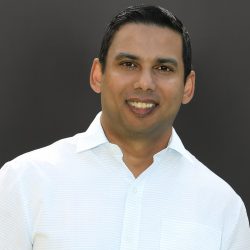
Rickey Kallicharan
Rickey Kallicharan is the CEO of Truemeat, a Tufts-born food tech startup pioneering next generation meat. With more than 15 years of experience across biotechnology, medical devices, and healthcare administration, Rickey has led commercial strategy and market development initiatives that built large scale commercial opportunities and forged high value collaborations with Fortune 500 companies.
Prior to Truemeat, Rickey served as Chief Business Officer at FluidForm, where he drove global partnerships in advanced tissue engineering and bioprinting. He has also held leadership and business development roles at Insulet and Johnson & Johnson’s Acclarent, helping accelerate the adoption of innovative technologies in clinical and commercial settings.
Rickey holds an MBA and a Bachelor of Science in Biology from Monmouth University. He is passionate about bridging cutting edge science with market driven strategy to bring transformative technologies to life.
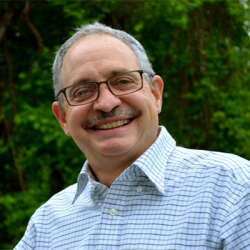
David Kaplan
David Kaplan is the Stern Family Endowed Professor of Engineering at Tufts University, a Distinguished University Professor, and Professor and Chair of the Department of Biomedical Engineering. His research focus is on biopolymer engineering, tissue engineering, regenerative medicine and cellular agriculture. He has published over 1,000 peer reviewed papers, he is editor-in-chief of ACS Biomaterials Science and Engineering and he serves on many editorial boards and programs for journals and universities. He has received awards for his research and teaching and is an elected Fellow of the American Institute of Medical and Biological Engineering and the National Academy of Engineering.
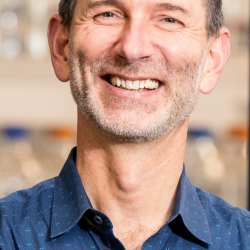
Steven Lang
Steven Lang, Ph.D., MBA, is Vice President of Science and Technology at California Cultured, leading technical operations for sustainable cell-derived cocoa and coffee. He brings extensive experience in cell culture, biomanufacturing, and technical leadership.
Steve’s career began at Janssen Biotherapeutics, followed by Genentech, where he focused on cell line and process development, analytics, automation, and digital transformation. He then led technical ops at Aragen Life Sciences (CRO). Before California Cultured, he was VP of Bioprocess and Analytics at Upside Foods, providing technical, operational, and strategic leadership in developing robust, high-yielding biomanufactured cell-based meat, including identifying critical process parameters affecting chicken product yield and taste.
Lang holds a Ph.D. in Molecular Microbiology from Stony Brook University, with postdoctoral work there and at J&J Pharmaceutical R&D. He also earned an MBA from Rider University.
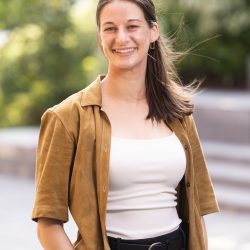 Sophie Letcher
Sophie is a Co-Founder and CEO of EntoCellular, a Tufts spin-out company creating nutritious, scalable, and cruelty-free pet food ingredients using insect cells. She received her B.A. from Kenyon College in Neuroscience and recently completed her PhD in Biomedical Engineering in the Kaplan Lab, where her research focused on establishing and analyzing insect cells as ingredients for cultivated meat. She is currently continuing this research in the Tufts Cellular Agriculture Commercialization Lab.
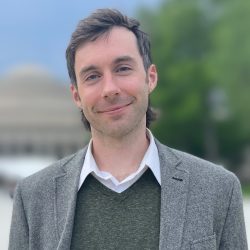
Matt McNulty
Matt McNulty is the Associate Director of the Tufts University Center for Cellular Agriculture (TUCCA), where he manages strategy and operations towards achieving the center’s goals. He is deeply involved in program development & management, teaching, and research on biotechnological innovation with promise to revolutionize the way we approach food production and sustainability. Matt leverages a technical foundation in bioprocessing to approach cellular agriculture from a systems-oriented focus on scientific and commercialization bottlenecks. His professional experience includes upstream biologics process engineering in a GMP environment at Sanofi, biopharma operations analysis and logistics optimization consulting at N-SIDE, and a Research Fellowship investigating cultivated meat research whitespaces at the Good Food Institute. Matt has authored 15 publications and holds a PhD in chemical engineering from UC Davis, where he focused on plant-based protein production for biopharmaceutical and food applications.
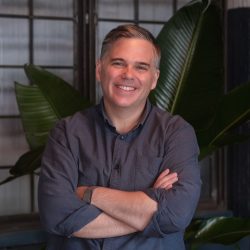
Mike Messersmith
Mike Messersmith is the Chief Executive Officer of Lasso (FKA Tender), an innovative startup which includes a plant-based food production platform. Prior to joining Lasso, Messersmith led all aspects of business and organizational development for the leading oat milk brand, OATLY, since its US launch in 2017. OATLY achieved breakthrough growth in the plant-based dairy industry through superior products and innovative branding. Previously, he held senior growth roles at The Nature’s Bounty Company, Chobani, and Frito-Lay, and served as an Officer in the US Navy.
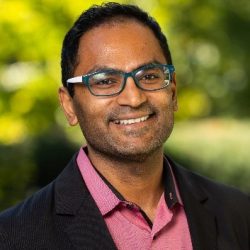
Nik Nair
Nik Nair (naa-year) received his B.S. in Chemical and Biomolecular Engineering from Cornell University (Ithaca, NY). While at Cornell, he was a founding member and lead guitarist of the not-so-well-known progressive metal band called “Rubicon”. After graduation, he had a brief stint at Bristol Myers Squibb where he worked as a manufacturing research scientist in biotechnology purification development. He then went on to receive his M.S. and Ph.D. in Chemical and Biomolecular Engineering from the University of Illinois, Urbana-Champaign under the guidance of Prof. Huimin Zhao. He joined Tufts in 2013 after completing a postdoctoral fellowship in Microbiology and Immunobiology at the Harvard Medical School in Prof. Ann Hochschild’s lab. He was promoted to Associate Professor with tenure in 2020. He is a senior member of the National Academy of Inventors (NAI), a recipient of the NIH Director’s New Innovator Award and Tufts University’s Rising Innovator Award. The Nair Synthetic Biology & Systems Bioengineering Lab focuses on two major areas of research – 1) biosynthesis of renewable fuels and chemicals from sustainable feedstocks, and 2) engineering proteins and microbes to improve human health. In his spare time, which is increasingly rare, he likes to play guitar, golf, and video games and watch trashy TV shows like 90 Day Fiancé and Sister Wives. His long-term plans include starting several companies based on lab-developed technologies and eventually resurrecting “Rubicon” once his young sons are old enough to master their instruments (Kiran: guitar; Liam: keyboards).
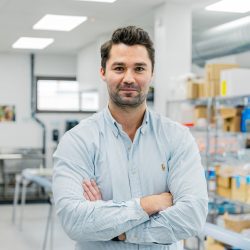
Tim Olsen
Tim is currently the Co-Founder and CEO of EdiMembre, a food technology company that builds enabling manufacturing capabilities and products for future food production based on its patented edible protein membrane platform. Before starting EdiMembre, Tim was Head of Cultured Meat at MilliporeSigma, which is where the core EdiMembre technology was developed and ultimately led to the corporate spinout. Prior to MilliporeSigma, Tim worked in multiple startup companies as Senior Scientist and Global Account Manager at RoosterBio, and as Scientist at Allevi. Tim is also a Co-Founder for The Funktional Brewing Company, which incorporates functional ingredients that promote health, active lifestyle, and longevity into beverages. Tim’s domain expertise spans cultivated meat, alternative proteins, cell therapy, tissue engineering, and broader biotech. His functional experience centers around building startups, new business development, innovation, process and product development, and general management. Tim holds a Bachelor of Science in Biomedical Engineering from The College of New Jersey and a Doctorate in Bioengineering from Clemson University.
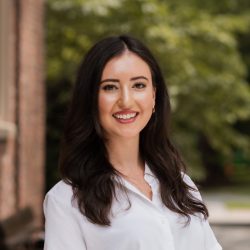
Natalie Rubio
Natalie began working in the field in 2014, interning at New Harvest and Perfect Day Foods. After graduating with a B.S. Chemical & Biological Engineering from the University of Colorado, Boulder and spending a year working at Quartzy, she joined the Kaplan Lab to perform graduate research on cultured meat from novel species and completed her Ph.D. in Biomedical Engineering/Cellular Agriculture. She also served as an advisor for Bond Pet Foods and Matrix Foodtech and was the first employee at Ark Biotech where she led the Process Science team before re-joining Tufts.
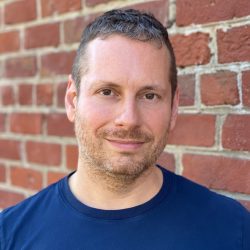
Steve Simitzis
Steve Simitzis is the Founder and Managing Partner at Replicator VC, which invests in early stage startups to accelerate the future of food, focused on cellular agriculture and longevity. Prior to venture capital, Steve began his career as a software engineer in Silicon Valley, and went on to become a serial founder with 3 exits. He entered the alternative protein space via pet food, after a tour of duty at Mars Petcare and as Chief Marketing Officer at Wild Earth. Steve serves as Investor-In-Residence for the Tufts University Center for Cellular Agriculture (TUCCA), where he supports academic spin-outs at the earliest stages of commercialization.
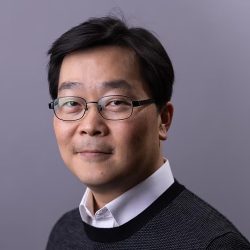
Martin Son
Martin Son is Senior Director of Technology Commercialization at Tufts University. A veteran technology transfer professional, he began his career at Harvard University before helping to establish and grow Tufts’ inaugural technology transfer program. Throughout his tenure at Tufts, Martin has negotiated and closed hundreds of deals generating tens of millions of dollars of revenue and research support, and facilitated the formation of nearly 50 startup companies based on Tufts intellectual property. His leadership has been instrumental in shaping Tufts’ innovation ecosystem and advancing research commercialization.
Martin additionally serves as Chair of the Executive Committee of the Massachusetts Association of Technology Transfer Offices (MATTO) and as board observer for several Tufts-affiliated startups, including Anodyne Nanotech, Cellens, Sofregen Medical, Wanda Fish Technologies, and ZwitterCo. He is a graduate of Harvard University, where he studied physics and East Asian Studies.
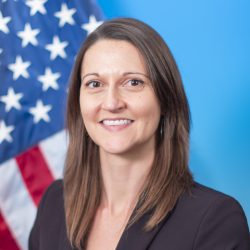
Liz Specht
Liz Specht has a BS in Chemical and Biomolecular Engineering from Johns Hopkins University, and a PhD in Biological Sciences from UC San Diego. She is currently a fellow at the Defense Advanced Research Projects Agency (DARPA)’s Biological Technologies Office, supporting strategy and initiatives in agricultural defense and food system resilience through an emerging technology policy fellowship with Horizon Institute for Public Service. Previously, Liz served as the Senior Vice President of Science & Technology at the Good Food Institute, a global nonprofit think tank that serves as a field catalyst for the alternative protein sector. Liz has contributed to dozens of analyses of the alternative protein field and served as an advisor to companies, nonprofits, research consortia, and government agencies and initiatives.
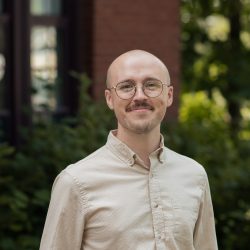
Andrew Stout
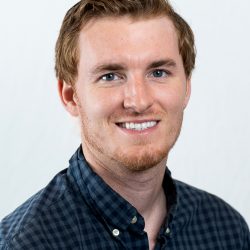
Elliot Swartz
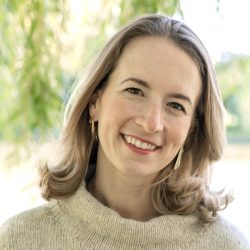
Anna Marie Wagner
Anna Marie Wagner is the co-founder and CEO of Transfyr, a stealth building the world’s first models that capture and operationalize tacit scientific knowledge. Her career has spanned investing and operating roles in both hypergrowth and mature companies. Previously, Anna Marie was on the executive team at Ginkgo Bioworks (NYSE:DNA), where over the years she built the AI team and oversaw all major strategic transactions, including Ginkgo’s public offering in 2021, raising $1.6 billion in what is still the largest-ever go-public raise in biotech. She is also an Executive Fellow at Harvard Business School, where she co-teaches an elective course on failure (and loves the irony!). Before Ginkgo, Anna Marie spent nearly a decade at Bain Capital Private Equity. Anna Marie has served as an advisor or board member to a number of organizations across the public, private, and nonprofit sectors, including DARPA, Owkin/Bioptimus, Bold Eagle (Nasdaq:BEAGU), Turbine AI, Potato AI, Digital Biology, Verge Genomics, MassChallenge, and the Boston Museum of Science. Anna Marie earned an MBA from Harvard Business School, where she was a Baker Scholar, and a bachelor’s degree in Applied Mathematics from Harvard College.
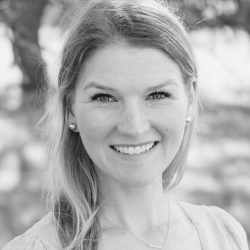
Lindsay Wray
Lindsay Wray is the CEO and co-founder of Kapha Bio, a company developing biomimetic mucin technology to combat recurrent infections that affect billions of people globally. A material scientist turned entrepreneur, Lindsay excels at creating business value by merging deep-tech and product innovation with market opportunities. Her passion for biomaterials, sustainability, and human healing drives her vision for catalyzing biotech commercialization.
Prior to founding Kapha Bio, Lindsay spent over 13 years pioneering silk protein research, harnessing its power for cosmetics, textiles, and biomedical applications. She served as Director of R&D at Bolt Threads and CSO of Eighteen B, where she developed the product-market fit for the world’s first vegan spider silk polymer, b-silk™.
In addition to her decade of commercializing biotechnologies, Dr. Wray has a Ph.D. in Biomedical Engineering from the Kaplan Lab at Tufts University, where, as an NSF Graduate Research Fellow and Whitaker Fellow, she made significant contributions to the biomaterials field developing silk technologies for regenerative medicine. She began her research career as a Beckman Scholar at Harvey Mudd College, studying biomaterials for tissue engineering.
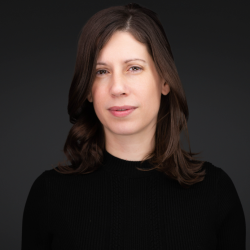
Joanna Xylas